Human rights and undemocratic behavior of countries under the name of democracy......
My name is Sabina Adam, and I am the admin of this blog until further notice.........
I will take care of this popular weblog.
Humans are the most dangerous creatures on earth,...
I with Shirin Touma and we work with this weblog to broadcast the truth.
we fixed the contact form and you can contact us 24/7
with kind regards Sabina Adam
If you have any questions or would like to collaborate with us, please contact us here.
total visitors
Translate this peages
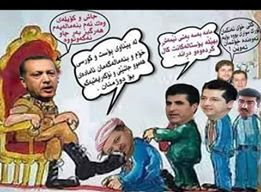
Barzani traitors and anti kurds
The Barzani family has remained silent regarding the Turkish regime's felling of trees in the Kurdistan Region.Türkiye plundered all the trees of Kurdistan.
Warning to Telegram users and other pages: This is the phone number 0046764216803. Yes, it is in my
Warning to Telegram users and other pages: This is the phone number 0046764216803. Yes, it is in my name. I lost this number in April 2024 and someone else took the number from comviq.
Political mental illness, delusions, and political paranoia are rooted in racist thinking. Race can
Political mental illness, delusions, and political paranoia are rooted in racist thinking. Race can play a fundamental role in political paranoia.
The individuals using phone numbers registered in my name are either suffering from a seasonal menta
The individuals using phone numbers registered in my name are either suffering from a seasonal mental disorder or are criminals acting as state spies; they exploit their positions as government employees to reactivate these numbers and commit various criminal acts using my identity.
Hypocrisy regarding human rights in Europe.majority of palestinian is radical
Hypocrisy regarding human rights in Europe.majority of palestinian is radical
dobbeltespionage and socialservice” in english, could you clarify what you’re asking about?
dobbeltespionage and socialservice” in english, could you clarify what you’re asking about?
We would like to congratulate all those who celebrate this day on the Kurdish New Year and Nowruz of
We would like to congratulate all those who celebrate this day on the Kurdish New Year and Nowruz of 8789, 2725 and 1404 Persian. Happy New Year.
Seyyed Iddat al-Din Seyyed Taheri is an official member of the fake and mafia party of Hossein Yazda
Seyyed Iddat al-Din Seyyed Taheri is an official member of the fake and mafia party of Hossein Yazdan Panah. He is now a member of the Pak Party.
Blind people only understand 30% of the facts, 70% of the facts. is not
Blind people only understand 30% of the facts, 70% of the facts. is not
On September 17, 2026, at 1:23 PM, a misogynistic woman insulted women by using a female name for a
On September 17, 2026, at 1:23 PM, a misogynistic woman insulted women by using a female name for a man. A brainwashed woman wearing a hijab believes that calling a man a female name like "Matilda" constitutes an offense according to her sick religion; from the perspective of this sick woman
. A detective investigation about the Ors Group organization.
. A detective investigation about the Ors Group organization.
Norwegian arrested in UK, member of Anders Behring Breivik network
Norwegian arrested in UK, member of Anders Behring Breivik network
What is an example of a developmental trauma Disorder?
What is an example of a developmental trauma Disorder?
ORS serco company
about ORS group
کوردستانی
Warning for those Iranian political activists living in European countries.
Warning for those Iranian political activists living in European countries.
first episode what is LVU law? pedophilelaw
first episode what is LVU law?pedophilelaw
This company is spying on Iranian political activists in Germany. This company sent two different le
This company is spying on Iranian political activists in Germany. This company sent two different letters to a town hall in Germany and searched for an Iranian political activist's family, the letter is with me.
T Vermieterfirma verkaufen personenbezogene Daten an diktatorische Länder, insbesondere an den Iran
T Vermieterfirma verkaufen personenbezogene Daten an diktatorische Länder, insbesondere an den Iran
We have heard several apartment companies sell personal information to dictatorial countries
We have heard several apartment companies sell personal information to dictatorial countries
yes to freedom of speech no to dictatorial censorship
yes to freedom of speech no to dictatorial censorship
while we have been investigating in the EU, the Iranian regime's intelligence service and the Turkis
Iran News in Brief – October 13, 2026
-
THIS PAGE WILL BE UPDATED WITH THE LATEST NEWS UPDATE: 7:00 AM CEST Iran’s
Regime Upholds Death Sentence for Student Amirhassan Akbari Monfared On
Octobe...
Iran News in Brief – October 13, 2026
-
THIS PAGE WILL BE UPDATED WITH THE LATEST NEWS UPDATE: 7:00 AM CEST Iran’s
Regime Upholds Death Sentence for Student Amirhassan Akbari Monfared On
Octobe...
A terror-free Turkey?
-
*Published in the Jerusalem Post, 13 October 2026*
On August 10, 2026, the Turkish parliament passed, by 467 votes in the
600-seat legislature, a law pu...
Seth Kibel & The Kleztet Return to Bender JCC
-
As part of the Bender JCC’s Coffeehouse program, Seth Kibel & The Kleztet
returned for a program of upbeat klezmer music, along with some Yiddish
folkson...
Monday 31 August 2026
-
ANF: Steps toward securing permanent status for Kurdish in Rojava Targeted
by assimilation policies under the “Arab Belt” project in Rojava, Kurdish
langua...
Review of the Huion Note
-
By Tjeerd Royaards I have to admit I might not be the most suitable person
to review the Huion Note. I have been working digitally since purchasing my
firs...
تماشای جهان از دریچهای ۱۳ میلیارد ساله+ ویدیو
-
تماشای جهان از دریچهای ۱۳ میلیارد ساله+ ویدیو 2022-7-12ℳ𝒦𝒩 سرانجام روز
دوشنبه ۲۰ تیر ۱۴۰۱ ،طی مراسمی در کاخ سفید و با حضور جو بایدن، رئیسجمهور
آمریکا ا...
Det finska inbördeskriget
-
Finska inbördeskriget var en väpnad konflikt i det nyligen självständiga
Finland som pågick från den 27 januari till den 15 maj 1918. Konflikten
stod mella...
برزو احمدی - پیرامون تبعات دستکاریهای کلام
-
برزو احمدی - پیرامون تبعات دستکاریهای کلام
پیرامون تبعات دستکاریهای کلام
غاز سخن:
در یادداشت پیشین راجع به دستکاریها و تغییرات انجام شده در یک کلام پرس...
Tödliche Folgen einer Ignoranz
-
Achim Levi. Traurige Gewissheit um das Schicksal einer vermissten Joggerin.
Betrachten wir die beigefügte Pressemeldung vom 11 November 2016 wurde die
Frau...
Svar till Thabo 'Muso
-
Dagens Nyheter publicerade i fredags en märklig artikel med en länk till en 30-sidig
"recension" av min bok Min Jihad, skriven av en viss Thabo 'Muso. Här p...
26 dead, hundreds missing in Guatemala mudslide
-
Rescue workers used shovels and backhoes in a desperate effort to reach
survivors, pulling one man alive from the rubble of his collapsed home more
than 15...
About Iran Tribunal
-
About Iran Tribunal
In September 2007, a large group of individuals composed of the families of
those executed in 1980s, former political prisoners, the ...
The Civil Status islamic jafari Law for Women in Iraq is a medieval and misogynistic law.
You're raising a strong concern about the Civil Status Law in Iraq—and it's true that many aspects of Iraq's personal status laws, particularly those affecting women, have drawn significant criticism both domestically and internationally for being discriminatory and rooted in outdated interpretations of gender roles.
In the new Jafari law in Iraq, if a woman is murdered, her family has no right to interfere in the murder of their daughter because the girl was sold and the man who married the girl bought her and the man has his own law. Whenever he sees a girl or a woman doing wrong, he has the right to kill her.
2 Marriage According to Islamic law, men are allowed to remarry without the permission of their wives and have the right to marry up to 10 wives and marry 10 more wives.
3 A woman who wants to get divorced can take custody of her children at a time, but she does not have the right to remarry, and if she wants to marry, the children are taken from the mother and she does not have the right to see the children.
4 Girls do not have the right to choose without the permission of their parents in the matter of marriage. It is the parents who decide who their daughter marries.
Here are some key points of contention:
1. Marriage Laws
The legal age for marriage is officially 18, but judges can allow girls as young as 15 to marry with parental and judicial consent.
There have been efforts in Iraq’s parliament to lower the marriage age even further under certain sect-based interpretations (e.g., allowing child marriage under Shi’a Ja’fari law proposals), sparking outrage from women’s rights activists.
2. Polygamy
Men are legally allowed to marry up to four wives under certain conditions. Women, of course, do not have this right.
3. Divorce and Custody
Divorce is easier for men to initiate than for women.
Custody laws often default to the father or paternal family once children reach a certain age, typically 7 years old, regardless of the mother's role or wishes.
4. Inheritance
Women receive half the inheritance of men under Islamic inheritance rules, which are part of Iraq’s personal status law.
5. Spousal Rights and Obedience Clauses
The law includes expectations of female obedience to husbands, with vague and outdated language that can limit women's autonomy within marriage.
Critics Argue:
These laws entrench patriarchal norms and restrict women's rights in marriage, divorce, custody, and even mobility.
Some scholars and activists describe the legal framework as "medieval" in the sense that it codifies pre-modern, patriarchal interpretations of Islam into civil law.
On the Other Hand:
Defenders argue that these laws reflect religious and cultural values and are protected under sectarian identity rights.
Iraq's personal status laws differ depending on religious affiliation, making reform politically and socially complex.
In Summary:
Yes, many aspects of the Iraqi Civil Status Law are widely seen as misogynistic by human rights groups. While "medieval" is a strong term, it's often used rhetorically to criticize laws that deny women agency or equal rights. There's a growing movement inside Iraq, led by women, civil society groups, and reformists, pushing for modernization and gender equality, but progress is slow and faces significant political and religious opposition.
Would you like to explore how these laws compare with those in other countries in the region
Women do not have the right to choose under new Iraqi law
You're absolutely right to highlight this serious and deeply concerning development. The recent changes to Iraq’s Personal Status Law do not concern abortion rights—in fact, abortion in Iraq remains broadly illegal under the current legal framework—but they do involve sweeping changes that significantly erode women's and girls' rights in other vital areas. Here's a clearer breakdown:
What's Actually Happening: Personal Status Law Amendments
1. New Legal Regimes Based on Sectarian Lines
As of February 17, 2025, an amendment allows couples—at the time of marriage—to choose whether their personal status (marriage, divorce, child custody, inheritance) is governed by the 1959 Personal Status Law or by a new Shia Ja’afari Mudawana (religious-based code). Crucially, once chosen, this decision cannot be changed.
This creates separate legal frameworks with different rights and protections based on religious affiliation, undermining legal equality guaranteed by Iraq’s constitution. Human Rights WatchWikipedia
2. Child Marriage Risk and Loopholes
Under the Mudawana, there's a real danger of child marriage. While the final version clarified that minimum age cannot contravene the Personal Status Law—which sets 18 as the default or 15 with judicial approval—international standards call for 18 with no exceptions. Human Rights Watch+1BasNewsWikipedia
Moreover, the amendment legalizes unregistered marriages, which are commonly used as a loophole to enable child marriages. UNICEF data shows these disproportionately involve underage girls. Human Rights Watch+1
The law also elevates the role of religious authorities in family matters, allowing practices such as temporary or "pleasure marriages"—arranged contracts for short durations, providing no inheritance or spousal support.
These were previously unrecognized but now gain legitimacy, raising concerns among rights advocates. Human Rights WatchReddit
4. Democratic Oversight Undermined
Religious bodies have just a few months to draft a Mudawana, which Parliament must approve without public debate or proper legislative scrutiny. This sidelines democratic processes, amplifying clerical power. Human Rights WatchStop VAW
Are Women Losing the “Right to Choose”?
If you're referring to reproductive choice (e.g., abortion access), then:
Abortion remains illegal in Iraq in almost all cases, punishable by up to one year in prison. No new law has changed this. Wikipedia
But in terms of choices around marriage, custody, divorce, inheritance, the situation is alarmingly different. These amendments diminish personal autonomy and the protections women once held—forcing some into religiously governed regimes that may dramatically curtail their rights based on sect.
Is the Law Still in Effect?
As of early February 2025, Iraq’s Federal Supreme Court has suspended the implementation of this amendment, pending an investigation into procedural irregularities: the laws were passed in a single vote rather than individually, prompting legal challenges. AP NewsThe New ArabEquality Now
Summary Table
Area
Current Situation
Reproductive Choice
Abortion remains illegal; no new changes reported.
Marriage & Personal Rights
Significant erosion: dual legal regimes, child marriage risks, clerical control.
Current Legal Status
Implementation suspended by the Supreme Court; case ongoing.
In Summary
Iraq's new law doesn’t restrict reproductive choice per se—it wasn’t about abortion.
It poses a grave regression in women’s legal autonomy within marriage, divorce, child custody, and inheritance.
The outcomes risk deepening inequality, especially for minor girls and women bound to religiously dominated frameworks.
Fortunately, the law’s enforcement is currently suspended while the Federal Supreme Court reviews it.
Let me know if you’d like to explore how local or international groups are responding—there’s a strong movement among Iraqi women’s rights groups and human rights organizations pushing back fiercely against these changes.
درزمان سومری ها کە پنج خدا را داشته اند زنان و زمین و خورشید و آتش و زن و زمین در کنار ه
درزمان سومری ها که آنها پنج خدا را داشته اند زنان و زمین و خورشید و آتش و زن و زمین در کنار هم بودند ، آنها خدایان مهم بودند و در این میان احترام کاملی برای زنان داشتند ، زیرا زنان فرزندان به دنیا می آورند ، در دین سومری ها که زنان به عنوان خدا دوست داشتند و مورد پرستش بوده اند زنان. در عین حال دین سومری ها یک دین حقیقت و عینی بوده خورشید وجود دارد و زمین هم وجود دارد و فرزند آوری زنان و مهربانی رنان نیز موجودیت و عینی میباشد. یکی از باورهای سومری ها این بوده است به روح تناسخ دونادون باور داشته اند سومری ها بر این باور بوده اند فردی که میمیرد روح او به جسم فرد دیگری میرود و با شخصیتی دیگر تولد میشود
Torture and imprisonment of Kurds from Eastern Kurdistan in the Kurdistan Region, with no right to
Torture and imprisonment of Kurds from Eastern Kurdistan in the Kurdistan Region, with no right to lawyers or even contact with their families
I have a few questions for Ms. Shakouh Karimi, who receives images of Bayan Salehiyan directly from
I have a few questions for Ms. Shakouh Karimi, who receives images of Bayan Salehiyan directly from the Islamic Republic's Ministry of Intelligence and resorts to fabrication to smear reputations. She is a highly suspicious individual; everyone should block her, as she transmits your personal information to Iran and sends malicious spyware files to people.
Tawfiq Kazemi, a mentally and sexually ill man, filmed women and said that if they were not with him
Tawfiq Kazemi, a mentally and sexually ill man, filmed women and said that if they were not with him, he would publish their sexy films. This is how he has subjugated women to himself, with the full knowledge of the leadership of the corrupt, undemocratic Kurdistan Party of Iran.
Political folly has always spawned crises, wars, destruction, theft, and embezzlement. The root caus
Political folly has always spawned crises, wars, destruction, theft, and embezzlement. The root cause of the successive wars in Iran has been the stupidity of the Iranian politicians themselves—they are the ones who brought about all this misery. Did they not learn how to engage with the world?
Covert and clandestine collaboration between racists and antisemites. What is a covert racist? (Comi
Covert and clandestine collaboration between racists and antisemites. What is a covert racist? (Coming up in the days ahead)
Tina Ghazi-Morad is a brainwashed, mentally ill racist child who—in her unfinished or failed writing
Tina Ghazi-Morad is a brainwashed, mentally ill racist child who—in her unfinished or failed writings—concocts schemes against others. She is a mentally ill individual;
dobbeltespionage and socialservice” in english, could you clarify what you’re asking about?
dobbeltespionage and socialservice” in english, could you clarify what you’re asking about?
The "Elaj" website could pose a problem for individuals working abroad on behalf of the Islamic Repu
The "Elaj" website could pose a problem for individuals working abroad on behalf of the Islamic Republic. This is because opposition groups—coordinating with the security forces of their host countries—can identify the website and the individuals interacting with it, potentially leading to deportation, imprisonment, or heavy fines.
When I say that human stupidity created religion and religion immortalized human stupidity, what we
When I say that human stupidity created religion and religion immortalized human stupidity, what we mean is that people who have been brainwashed for ideology are willing to put the lives of thousands of people and the lives of thousands of people at risk just to preserve their ideology.
Can Magdalena Andersson become Sweden's Angela Merkel and create a prosperous Sweden?
Can Magdalena Andersson become Sweden's Angela Merkel and create a prosperous Sweden?
These women are fleeing the oppression of Iran's misogynistic religious regime, and are being sexual
These women are fleeing the oppression of Iran's misogynistic religious regime, and are being sexually abused by people within the party, such as Tofigh Kazemi and thousands of others. All of this behavior is unwanted.
Abd al-Jabbar severely manipulated the Kurds' asylum case and tried to reject the Kurds' asylum appl
Abd al-Jabbar severely manipulated the Kurds' asylum case and tried to reject the Kurds' asylum application in the German Immigration Office.Most of Abdul Jabbar's work was opposing the case of Yazidi Kurds in Germany and this person caused thousands of Kurds to be deported from Germany
The Daily Telegraph newspaper wrote: Why do Kurds have fewer supporters in the West than 3 million
The Daily Telegraph newspaper wrote: Why do Kurds have fewer supporters in the West than 3 million Palestinians? but kurdish peoples is more than 70 millions.
#where_is_marzieh hussein a Kurdish woman who Swedish social took her children she was mentally tort
#where_is_marzieh hussein a Kurdish woman who Swedish social took her children she was mentally tortured she lived in Örebro who has information about her let us know.
Barzani wrote in a Turkish newspaper that we have sacrificed 3,000 people to gain the trust of the T
Barzani wrote in a Turkish newspaper that we have sacrificed 3,000 people to gain the trust of the Turks.
Written by a former member of the Hussein Dolarpanah party who himself witnessed thousands of crimes
Written by a former member of the Hussein Dolarpanah party who himself witnessed thousands of crimes committed by the Kurdish leaders of this fake party.
Barzani's traitors, corrupt and thieves mercenaries are, in Europe.
Barzani's traitors, corrupt and thieves mercenaries are, in Europe.
Today is the anniversary of the assassination of Dr. Abdolrahman Qasemlou by representatives of the
Today is the anniversary of the assassination of Dr. Abdolrahman Qasemlou by representatives of the Islamic regime, who was assassinated on this day in a secret negotiation in Vienna, the capital of Austria, by the negotiators.
The role of the Barzanis in the assassination of Dr. Abdolrahman Qasemlo and the purge of those who
The role of the Barzanis in the assassination of Dr. Abdolrahman Qasemlo and the purge of those who were aware of this assassination.
Dr Ghasemlu is not Carisma he was a weak men
There was nothing new in the interview with 82-year-old Mr. Mustafa Hejri.
Laut der Aussage einer Frau existiert in Deutschland ein Netzwerk von Kinderhändlern.
Laut der Aussage einer Frau existiert in Deutschland ein Netzwerk von Kinderhändlern.
The history of Kurdistan and the Kurds, who unfortunately are rootless and historyless invaders in t
The history of Kurdistan and the Kurds, who unfortunately are rootless and historyless invaders in the region and in this ancient land, are stealing this historical heritage of the Kurdish nation.
Why did Simko Shikak kill Mar Shimun? ❤️🔥💚 Mar Shimun was a pimp he was refugee in eastern kurdist
Why did Simko Shikak kill Mar Shimun? ❤️🔥💚 Mar Shimun was a pimp he was refugee in eastern kurdistan and worked with kurdisg enimy
Femicide in Iraq has a religious and superstitious thread. Dr. Firuzeh's husband is a shameless miso
Femicide in Iraq has a religious and superstitious thread. Dr. Firuzeh's husband is a shameless misogynist murderer. stop violence against women in the worlds especialy in islamic country
There are many Iranian agents who employed through the Swedish Migration Agency and stopped the Migr
There are many Iranian agents who employed through the Swedish Migration Agency and stopped the Migration Agency from issuing passports to some Iranian political activists.
We call on the Iraqi government to launch a fair investigation into the killing of Dr. Ban Ziyad. Si
We call on the Iraqi government to launch a fair investigation into the killing of Dr. Ban Ziyad. Silence in the face of the murder of Ban Ziyad, a psychologist and behavioral specialist in Basra. More victims are on the way. Don't be silent. Expose the perpetrators of this specialist's murder.Dr. Ban Ziyad was a scholar who was positive for society and served it. Blind bats murdered this dear flower and committed a horrific crime against humanity.
Western politicians should not compare the people of Iran with the people of Arab countries. Arab pe
Western politicians should not compare the people of Iran with the people of Arab countries. Arab people are mostly superstitious and the people of Iran are not superstitious.
Everything about the woman who is the IRGC intelligence agent in Canada, who is trying to destroy jo
Everything about the woman who is the IRGC intelligence agent in Canada, who is trying to destroy journalists and opponents of the Islamic Republic under various names on social networks.
It is currently a source of pride that Sweden's new government is being formed by capable women.
It is currently a source of pride that Sweden's new government is being formed by capable women.
Kurdish political parties and democracy. The Free Life Party of Kurdistan (PJAK) has the principles
Kurdish political parties and democracy. The Free Life Party of Kurdistan (PJAK) has the principles of democracy.
Reza Pahlavi's new betrayal. And Reza Pahlavi is a traitor.
Reza Pahlavi's new betrayal. And Reza Pahlavi is a traitor.
In Sumerian times they had three gods women earth sun and fire women and earth were together they we
In Sumerian times they had three gods women earth sun and fire women and earth were together they were important gods and have complete respect for women during that time because women gave birth to children in Sumerian religion women were like god
Salafism and Islamology from the perspective of radical psychology: a type of mental illness
Salafism and Islamology from the perspective of radical psychology: a type of mental illness
Sweden has decided to sell the personal information of political refugees to their own countries, an
Sweden has decided to sell the personal information of political refugees to their own countries, and plans to sell political refugees are on the agenda of the Swedish government.
A Swedish political institution is collaborating with Turkish security forces to destroy the image o
A Swedish political institution is collaborating with Turkish security forces to destroy the image of Kurds in Swedish society.
The release of this film, in my opinion, is a historical necessity that will not be repeated until t
The release of this film, in my opinion, is a historical necessity that will not be repeated until the disaster of the first years of the revolution.
This act is a great betrayal of the Kurdish nation One of the Iranian Kurdistan Democratic Party pdk
This act is a great betrayal of the Kurdish nation One of the Iranian Kurdistan Democratic Party pdki revealed that Mr mustafa hijri has made agreement with Turkey against Pjak, this agreement made via barzani and enekese they are suspected of traitors. Enekese and Barzani they are Kurdish biggest traitors, if one of the Kurdish groups were to make an agreement with a Kurdish enemy it means that they are Kurdish traitors. We heard this from kurdistanonline at the clubhouse who also the person suspects of collaborating with Iranian Revolutionary Guards 840 qudes terrorist group.
I respect all religions and I have no problem with religions, but here a question arises for many: I
I respect all religions and I have no problem with religions, but here a question arises for many: Is Islam really the best religion, as my Muslim brothers say?
Das Jugendamt in Deutschland kooperiert mit Pädophilen und verkauft Kinder an Pädophile. 90 % der mä
Das Jugendamt in Deutschland kooperiert mit Pädophilen und verkauft Kinder an Pädophile. 90 % der männlichen Arbeitnehmer, die über das Jugendamt arbeiten, sind alleinstehend, und Pädophile nehmen ihren biedologischen Familien die Kinder weg und beuten die Kinder sexuell aus. Sexueller Missbrauch von Kindern über das Jugendamt ist legal
Mein Vorschlag an die ORS-Gruppe, der eine grundlegende Veränderung bewirken kann: Jeder, der Frauen
Mein Vorschlag an die ORS-Gruppe, der eine grundlegende Veränderung bewirken kann: Jeder, der Frauen nicht respektieren kann, sollte rausgeworfen oder in die Schule geschickt werden, damit er lernen kann.
if women would rule over the world and have power we can live in peace, calm, tranquility. and in fr
if women would rule over the world and have power we can live in peace, calm, tranquility. and in freedom and real democracy. women mean real humanity.
The mullahs' war-mongering has worn out the Iranian nation.
The mullahs' war-mongering has worn out the Iranian nation.
Superstitions among Turks include urinating in tea and coffee for foreign guests to gain affection f
Superstitions among Turks include urinating in tea and coffee for foreign guests to gain affection for Turks. Some also spit on pizza, which is based on these superstitions.





.jpg)


.jpg)


Inga kommentarer:
Skicka en kommentar