





.jpg)


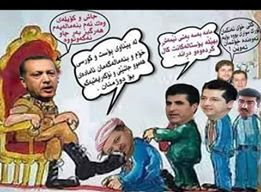


#genocide_against_the_kurds_by_turkish_regime
Türkiye's historical crimes against the Kurds were essentially crimes against humanity and genocide.
Zilan Massacre
On July 13, 1930, thousands of people were massacred in the Zilan Valley. Women, children, and the elderly were annihilated by bombs and machine guns. Houses were burned, villages were wiped off the map, and survivors were forced into exile. The Zilan Massacre is one of the most severe examples of the systematic policy of annihilation and denial against the Kurdish people.
The 85th anniversary of the Dersim massacre
It has been 85 years since the Dersim massacre, in which the Turkish government used all kinds of prohibited weapons. For the first time, chemical weapons were used against the Kurds in Dersim. As a result, tens of thousands of defenseless Kurds were massacred and thousands of people were forcibly displaced.
The Turkish occupying state has been based on the destruction and denial of the Kurdish people and other ethnicities since its inception. The first Turkish president, Kemal Ataturk, declared after coming to power: There is no nation in this land except the Turkish nation, they must either be Turks or Turkish servants.
The massacre that took place during the Ararat uprising had not yet been forgotten, when this time the Turkish occupying state began its severe attacks on the Alevi Kurds of Dersim.
Demographic changes and denial
In 1937, Ataturk passed a law called "Return". This law was specifically designed to legitimize immigration, demographic change, and the denial of Kurds and other nationalities in Turkey. In 1935, the Turkish government began the forced immigration of Kurds, displacing them from their lands and regions and moving them to western Turkey, replacing them with Turks. The goal was to put an end to the Kurds. After the immigration, the Turkish government changed the name of Dersim to Tunceli and began implementing this plan. This policy of the Turkish government is considered genocide under international law.
In January 1937, the Kurds of Dersim sent a letter of protest to the district governor. But instead of responding, arrests and killings began. This government approach caused the Dersim uprising to turn into an armed uprising led by Seyyed Reza. Seyyed Reza then called on the tribal leaders to unite and rise up against the Turkish government.
A popular uprising began. There were wars and conflicts against the Turkish government in many places. As the fighting continued, the Turkish army moved 25,000 soldiers and militia to Dersim and ordered them to suppress the uprising. Resistance spread everywhere, and tanks, artillery, and aircraft destroyed villages and towns, massacring the people of the region.
According to sources, more than 14,000 people were massacred in these attacks, and according to some sources, the number of killed was more than 35,000. 12,000 people were forcibly displaced. Seyyed Reza and 10 of his companions were arrested. He was hanged in Elazig on November 15, 1937, and his burial place is still unknown.
The Dersim Massacre began on May 4, 1937, although the government announced in 1938 that it had ended the uprising, but after the uprising, the Dersim Massacre continued secretly until 1939, led by Turkish General Abdullah Alp Doğan.
In this massacre, various weapons were used against the Kurds, including chemical weapons, which were unprecedented at that time, which resulted in the killing of 13,800 people.
85 years have passed since the Dersim massacre, but now the Turkish government is still carrying out massacres against the Kurds


Inga kommentarer:
Skicka en kommentar