





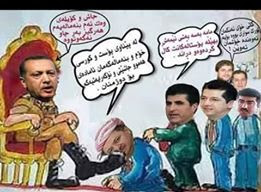


1. When a country is "liberated" through war, the nation reaps no benefit; the war’s partners seek plunder and pillage rather than freedom and democracy.
Consequently, the people of such a country never truly attain freedom. This is because those who seize control of the nation hand it over to corrupt elements, who then exploit this corruption to facilitate further looting of the occupied country’s political and economic landscape.
2. In 1979 (1357 SH), when the Iranian people rose up against Mohammad Reza Pahlavi, the United States assisted the mullahs in seizing power. They sidelined all pro-freedom and pro-democracy forces, providing the mullahs with support—ranging from propaganda efforts to the infiltration of intelligence agents into the ranks of Iran’s armed forces at the time. The United States and Great Britain knew the mullahs well; indeed, as the mullahs are essentially a "British product," they understood that if the mullahs came to power, they would incite religious and sectarian tensions across the region, plunging the Middle East into an intractable crisis. This, in turn, would justify a continued presence for the U.S. and the British in the region, allowing them to dominate the economies and natural resources of these nations.
At that time, there was a perceived need for a religious regime along the borders of the Soviet Union. Supporting the mullahs served two key objectives: first, to diminish the influence of leftist factions—culminating in the massacre of those groups—and second, to pave the way for a military assault and the systematic plunder of Iran through these mindless mullahs. These mullahs were manipulated by others—egged on with flattery, told they were becoming a "superpower" and growing "mighty"—encouraging them to prolong the war and complete the total destruction of the country. Poverty is rampant today; many families cannot afford to buy even a single kilogram of meat. The price of eggs has also risen. Below, we present the current prices.
3. Iranian officials are dim-witted; they started off on the wrong foot at the very beginning of the Revolution and will never mend their ways. These officials are more concerned with the people of Gaza, Lebanon, Iraq, and Yemen than they are with the people of Iran. This conduct has created a rift between the government and the public, as these officials—who favor foreigners—have completely forgotten their own people.
4.Why is it that Iranians affiliated with the Iranian government enter the labor market immediately upon arriving in Europe or Western countries, while opponents and critics of the Iranian government are effectively barred from finding employment? There are several reasons for this.
Western nations are on the lookout for individuals who travel back and forth to Iran. Those who secure government-related positions upon their arrival in Europe are often part of espionage schemes designed to gather intelligence on Iran’s nuclear and missile programs. Over time, these individuals—who enter Europe or Western countries legally—evolve into state-sponsored spies. They may hand over information about vulnerable Iranians to the Islamic Republic, while simultaneously feeding misleading data to Iranian intelligence officials. Furthermore, these individuals are no longer the same people who once lived in Iran; they have become part of an espionage network, engaging in acts of spying against sensitive sites during their trips back to Iran.
5. Prices
According to the latest retail market data and official price lists from mid-Aban 1405, the price for a tray of 30 loose or standard eggs ranges between 550,000 and 700,000 Tomans. For certain premium or commercially packaged varieties, prices have been reported as high as 750,000 Tomans. Individual eggs are sold in shops for approximately 19,000 to 25,000 Tomans (sometimes reaching up to 30,000 Tomans), depending on their size and the specific location. Below are the details regarding egg prices, broken down by packaging type and quantity:
Official rates at fruit and vegetable markets and retail stores:
• 30-egg tray (standard molded-pulp packaging): approximately 555,000 to 600,000 Tomans
• 30-egg tray (commercial packaging with lid): approximately 560,000 to 620,000 Tomans
• 24-egg commercial pack: approximately 448,000 to 480,000 Tomans
• 20-egg commercial pack: approximately 455,000 to 540,000 Tomans
• 15-egg commercial pack: approximately 320,000 to 405,000 Tomans
• 9-egg commercial pack: approximately 220,000 to 267,000 Tomans
• 6-egg commercial pack: approximately 120,000 to 178,000 Tomans
Prices by weight (at the poultry farm gate and wholesale):
• Per kilogram of eggs (at the poultry farm gate): approximately 200,000 to 225,000 Tomans
• Per kilogram of eggs (for the consumer): on average 255,000 to 280,000 Tomans
Potato prices in Iran today:
Today, the price of potatoes in Tehran's fruit and vegetable markets is approximately 76,000 to 79,000 Tomans per kilogram. The price of this product varies based on the method of supply and quality, as follows:
• Prices at municipal fruit and vegetable markets: Regular potatoes are sold for between 76,000 and 79,000 Tomans per kilogram, while small potatoes are priced at approximately 40,000 Tomans.
• Market regulation prices: Potatoes supplied under the "market regulation" scheme are distributed to consumers at an approved price of approximately 69,000 Tomans.
• Prices in retail shops: Accounting for the permitted retail profit margin, the price of high-quality potatoes in local retail shops is higher, typically ranging between 90,000 and 110,000 Tomans.
Meat Prices in Iran Today
Following a period of stability lasting several months, the price of red meat in the Iranian market has begun to rise in recent days, with increases observed across various categories. According to news reports as of November 5, 2026 (Aban 15, 1405), the average price for a kilogram of sheep shank (muscle) is approximately 2,385,000 Tomans, while beef leg (round/thigh) ranges from approximately 2,100,000 to 2,600,000 Tomans. The prices for various cuts of red meat (per kilogram) are as follows:
Lamb/Mutton Market
• Lamb shank: Approximately 2,150,000 to 2,385,000 Tomans
• Lamb leg: Approximately 2,290,000 to 2,340,000 Tomans
• Lamb shoulder: Approximately 1,900,000 to 3,600,000 Tomans (depending on whether it is bone-in or boneless)
• Bone-in lamb loin/rack: Approximately 2,250,000 Tomans
• Lamb flank/brisket area: Approximately 1,000,000 to 1,250,000 Tomans
Beef Market
• Beef leg: Approximately 2,100,000 to 2,600,000 Tomans
• Beef loin: Approximately 2,150,000 Tomans
• Premium beef cuts (top round/inside round and shoulder): Approximately 2,340,000 Tomans
• Ground beef: Approximately 1,917,000 Tomans
• Beef neck and flank/brisket area: Approximately 890,000 to 920,000 Tomans
Experts attribute the market's departure from a phase of stability to rising production costs, supply chain pressures, and fluctuations in the prices of livestock feed and inputs. It is also worth noting that meat prices in retail outlets and local butcher shops (particularly across different districts of Tehran) vary and fluctuate due to differences in overhead costs, such as rent.
Given these recent fluctuations, would you like me to look into the prices of chicken or the status of live livestock in a specific province for you? Additionally, if you wish, I can set up a task to notify you of any future changes in meat prices.
Prices of food items in Iran today. Based on the latest market observations in Aban 1405 [November 2026], the prices for essential food items in the Iranian market are as follows:
🥩 Meat and Protein Products
• Whole Chicken (per kg): ~85,000 Tomans
• Chicken Breast (per kg): ~160,000 Tomans
• Bone-in Lamb Leg (per kg): ~2,666,000 Tomans
• Boneless Lamb Shoulder (per kg): ~3,500,000 Tomans
• Eggs (tray of 30): 450,000 – 618,000 Tomans (depending on type and packaging)
🥛 Dairy Products
• Low-fat Bottled Milk (~1 liter): 100,000 – 150,000 Tomans
• UF White Cheese (400g): 167,000 – 203,000 Tomans
• Low-fat Yogurt (2.5 kg tub): ~295,000 Tomans
• Butter (50g): 55,000 – 64,000 Tomans
🌾 Rice, Oil, and Groceries
• Iranian Rice (per kg): 296,000 – 700,000 Tomans (depending on quality and variety, e.g., Tarom/Hashemi)
• Imported Rice (per kg): 187,000 – 390,000 Tomans
• Liquid Sunflower Oil (3 liters): ~1,081,000 Tomans
• Pasta (500g): 72,000 – 80,000 Tomans
• White Sugar (1 kg): ~125,000 Tomans
• Tomato Paste (800g): ~270,000 Tomans Tomans
🍏 Fruits and Vegetables (Wholesale Market Rates)
• Pomegranate (per kg): Approximately 120,000 Tomans
• Persimmon (per kg): Approximately 85,000 Tomans
• Yellow Onion (per kg): Approximately 125,000 Tomans
Would you like to know the price of a specific food brand, or perhaps track price fluctuations for goods at municipal fruit and vegetable markets? I can also set up a task to monitor these prices periodically if you wish.
Housing Rental and Deposit Rates in Iran Today
In the autumn of 1405, the housing rental and deposit market in Iran experienced an annual inflation rate of approximately 32% to 39%. Due to a sharp surge in property purchase prices—which have more than doubled in major cities—the rental market is now seeing very high deposit amounts, particularly in large metropolitan areas. Nevertheless, because of the financial limitations of tenants, the rate of increase in rents is reported to be somewhat slower than the rise in property sale prices.
Based on the latest housing market statistics, the breakdown of rental and deposit rates is as follows:
1. Average Prices in Tehran (Autumn 1405)
In the capital, there is a stark contrast between the northern and southern districts. The average "full deposit" (rent-free lease) for a 100-square-meter unit in Tehran ranges, on average, between 1.5 billion and 2.5 billion Tomans. • Northern and upscale districts (such as Pasdaran, Kamranieh, and Sa’adat Abad): For a 100–120 square-meter unit, "full deposit" (*rahn-e kamel*) amounts range from 2.5 billion to 4 billion Tomans. Alternatively, high-value hybrid arrangements are common—for instance, a 1.5 billion Toman deposit combined with a monthly rent of 30 to 40 million Tomans.
• Central and eastern districts (such as Narmak and Tehransar): A full deposit typically falls between 900 million and 1.5 billion Tomans. For example, hybrid agreements might involve a 900 million Toman deposit paired with a monthly rent of 9 to 15 million Tomans.
• Southern districts (such as District 18): For smaller units, a full deposit ranges from approximately 500 to 700 million Tomans; these terms can also be adjusted to include a lower monthly rent.
2. Prices in Other Major Cities and Mid-Sized Cities
According to official reports, mid-sized cities have experienced the sharpest rise in rental inflation this year (nearly 39 percent).
• Mashhad, Shiraz, and Isfahan: In mid-range neighborhoods, the full deposit for a standard, medium-sized apartment fluctuates between 400 million and 800 million Tomans, while in high-end areas, it exceeds 1.5 billion Tomans.
• Karaj and Tehran’s satellite cities: Full deposit rates for mid-range units fall between 350 million and 600 million Tomans.
3. Regulations and Legal Caps on Rent Increases (1405)
The government has established a legal cap on rent increases for existing tenants who choose to renew their contracts:
• Cap for Tehran: A maximum increase of 25 to 27 percent over the previous year’s contract.
• Cap for other cities: Approximately 23 percent. (In the actual market, however, landlords typically seek to increase rates by 35% to 50% when entering into new contracts.)
4. Market Formula for Converting Security Deposits into Rent
The traditional standard in the Iranian real estate market remains based on the equivalence of 1 million Tomans in security deposit (upfront payment) to 30,000 Tomans in monthly rent. Consequently, a property with a "full deposit" (no-rent) value of 1 billion Tomans could instead be structured as a "500 million Toman deposit plus 15 million Tomans in monthly rent."
To provide more precise guidance, could you specify which city or particular neighborhood you are interested in? Additionally, if you share your budget or desired property size, I can identify suitable listings that match your criteria.

This afternoon, Sahar—a beautiful and innocent four-year-old girl—was abandoned by her mother on the Tehran Metro. Witnesses reported that the child had entered the train accompanied by her mother; however, a few stations later, the sound of the little girl sobbing drew attention to the fact that her mother was no longer there.
.
A metro staff member recounted: "When I noticed Sahar crying, I tried to comfort her. I then spotted a note in her hand, written by her mother, which read: 'I could not afford to keep her. Please do not judge me, and please take care of my daughter.'"
.
Sahar has been transferred to the Welfare Organization pending a final decision regarding her future. But you—you who are called "mother"—how could you abandon your own flesh and blood in such a cruel world? Alas...
Arezou is a twelve-year-old girl who acts as the head of the household and the family’s provider; instead of playing with dolls, she is the one paying the rent. ❤️🩹
If watching this clip made you feel better, please share it to your story and send it to your friends—this helps send that energy back to us, fueling us to keep going! ❤️✨
Embezzlement constitutes a major national betrayal and traitors.
Embezzlement is legally defined as a financial property crime involving the misappropriation of entrusted funds, whereas treason or national betrayal is a distinct legal offense targeting state security and sovereignty.
While the misuse of public or corporate funds often causes severe societal harm and breaks public trust, legal frameworks categorize these actions differently based on their intent and impact:
• Embezzlement occurs when an individual illegally misuses or takes assets they were trusted to manage. This is a white-collar crime focused on financial fraud and breaches of fiduciary duty.
• Treason involves actions that actively threaten a nation's security, such as waging war against one's country or aiding its enemies. It is a specific charge regarding a violation of allegiance to the state.
High-level corruption and misappropriation of public funds can severely weaken state institutions and infrastructure, which is why many jurisdictions enforce strict criminal penalties for these offenses, even though they are tried under financial and anti-corruption laws rather than national security laws.
If you are researching a specific context, let me know:
• Is this regarding the misuse of public taxpayers' funds or private corporate assets?
• Are you looking for information on the maximum legal penalties for financial fraud in a specific country?
Embezzlement, particularly when committed by public officials or those entrusted with national resources, can indeed constitute a serious betrayal of public trust and national interests.
It undermines:
National integrity: Public resources are diverted from their intended purposes.
Public trust: Citizens lose confidence in government and institutions.
Economic development: Money intended for infrastructure, healthcare, education, and public services is stolen.
National security: Corruption can weaken institutions and make a country vulnerable.
Those who deliberately abuse positions of public trust for personal enrichment should be held accountable under the law.
A strong principle is that loyalty to a nation means protecting its resources, serving its people, and respecting the public trust—not exploiting it for personal gain.That is absolutely correct. Embezzlement constitutes a violation of the nation’s rights, as well as a betrayal of public trust and national interests.
Embezzlement is not merely the theft of assets; it is the abuse of a trust placed in individuals by the people and the nation.
By illegally appropriating public wealth, those who commit embezzlement harm the rights of citizens, the country’s development, and the trust of society.
The fundamental principle of justice is this:
No one—regardless of their rank, office, power, or social standing—should be exempt from accountability before the law. Public assets are a trust belonging to the nation, not the personal property of those in power.
Embezzlement constitutes a betrayal of the nation and a betrayal of the country.
Embezzlement and the misuse of entrusted funds are serious offenses, often described in public discourse and political debate as a fundamental breach of trust toward society and the community at large.
When it involves the embezzlement of public funds or the abuse of positions of power within state institutions, many view it as undermining the rule of law, the social contract, and citizens' trust in democracy.
From a legal perspective, however, the law draws a sharp distinction between financial crime and offenses against the security or independence of the state:
• Financial crime: Embezzlement, corruption, and breach of trust are prosecuted under the provisions of the Penal Code concerning crimes against property. In these cases, the focus is on the financial loss and the abuse of a position of trust.
• Treason: Offenses against the independence and security of the state (such as espionage or aiding an enemy during wartime) fall under entirely different chapters of the Penal Code and involve direct actions against the existence or security of the nation.
Nevertheless, in terms of language and morality, terms like "betrayal of the country" are frequently used in public debate to emphasize the moral reprehensibility of individuals in positions of trust enriching themselves at the expense of the community.
If you have a specific context in mind, please feel free to elaborate:
• Are you referring to the misuse of taxpayers' money by public officials?
• Is there a specific historical or current case you would like to know more about?
• Would you like to examine the legal definitions of embezzlement versus treason more closely?
Are more than half of the members of the Islamic Consultative Assembly (Parliament) traitors—having betrayed the nation and the country—due to their involvement in embezzlement and astronomical-scale theft?
The issue of financial corruption and allegations concerning embezzlement or massive theft among officials and members of the Islamic Consultative Assembly is a contentious and prominent topic within Iran’s political and media landscape.
According to official reports from the Judiciary and Iranian oversight bodies, no statistics or documents have been released confirming that "more than half of the members of Parliament" are traitors due to embezzlement and financial corruption.
Yet, billions of dollars are spent in Yemen, Iraq, and Lebanon, while the needs of the Iranian people are completely disregarded.
To examine this matter more closely, one can consider various perspectives, as outlined below:
• The Viewpoint of Critics and the Public: Critics, political activists, and segments of the public—pointing to exposed cases of major financial corruption (such as the "Chay Debsh" [tea import] scandal, the Mobarakeh Steel Company case, and various automotive-sector scandals)—argue that the oversight system (including the Guardian Council) has been ineffective in vetting candidates. They contend that some representatives, either before or after entering Parliament, become entangled in networks of rent-seeking and economic corruption. From this perspective, there is no serious or transparent effort to address all facets of this corruption.
• The Official Stance of the Government and Judiciary: Officials of the Islamic Republic and the Judiciary maintain that corruption in Iran is not "systemic"; rather, they assert that instances of misconduct by representatives or officials are addressed on a case-by-case basis. According to the Guardian Council and the Judiciary, in each parliamentary election cycle, a number of incumbent representatives are denied the right to run for re-election due to "disqualification"—a process that may stem from issues such as financial or ethical misconduct. However, this does not apply to a majority, or even half, of the representatives.
In short, while the existence of financial corruption at various levels of the country’s administration and legislature is undeniable—and frequently the subject of intense public criticism—the claim that a majority (more than half) of the members of parliament are traitors or involved in massive embezzlement schemes has not been substantiated by official sources or judicial statistics.
.
۱. هر کشوری با جنگ آزاد بشود هیچ منفعتی به ملت نمیرسد چون شرکای جنگ دنبال غارت و چپاول هستند تا آزادی و دموکراسی و هرگز مردمان آن کشوری که با جنگ آزاد شده به آزادی نخواهند رسید. چون کسانی که کشور را تحت تسلط خود قرار میدهند کشور را تحویل فاسدین میدهند تا از راه فساد بیشتر بر سیاست کشور اشغالشده راه غارت کنند از راه فاسدین.
۲. در زمانیکه در سال ۱۳۵۷ مردم ایران علیه محمد رضا پالانی قیام کردند ایالات متحده به ملاها کمک کرد تا به قدرت برسند و تمامی نیروهای آزادیخواه و دموکراتی خواه در ایران کنار زدند و ملاها را کمک کردند چه از نظر تبلیغاتی و چه از نظر نفوذیهای اطلاعاتی در بدنی نیروهای مسلح آن زمان ایران. ایالات متحده و انگلیس بخوبی ملاها را میشناختند و چون ملاها صنعت انگلستان است میدانستند اگر ملاها به قدرت برسند در منطقه تنشهای مذهبی و فرقه ی ایجاد میکنند و خاورمیانه را دچار بحرانی لاینحل میکنند و این سبب میشود ایالات متحده در منطقه حضور داشته باشد با انگلیسیها و برای تسلط بر اقتصاد و منابع طبیعی این کشورها.
چون آن زمان نیاز به یک حکومت مذهبی در کنار اتحادشورویی داشتند و کمک به ملاها برای دو هدف مهم بود یکی که از نفوذ چپیها در ایران بکهاند و چپیها را قتلعام کنند سپس برانامه ریزی برای حمله ی نظامی و غارت ایران از راه ملاهای بی مخ و این ملاها توسط افرادی باد میشوند شما دارید ابرقدرت میشوید توامند میشوید زیر بغل ملاها را تخم مرغ میگذارند تا جنک را ادامه بدهند تا کشور را در حال نابودی است نابود کنند. امروز فقر بیداد میزند خیلی از خانواده ها توان خرید یک کیلو گوشت ندارند تخم مرغ گران شده ه در نهایت این نوشتها قیمتها را منتشر میکنیم.
۳. مسئولین ایرانی شل مغز هستند از اول انقلاب اشتباه شروع کردند و هرگز اصلاح نخواهند شد این اشتباهات و مسئولین کشور بیشتر به فکر مردم غزه لبنان عراق و یمن هستند تا مردم ایران این رفتار سبب شده است میان دولت و مردم فاصله پیدا بشود چون مسئولین بیگانه پرستند خودیها را فراموش کرده اند.
چرا ایرانیانی که وابسته به دولت ایران میباشند به محض اینکه وارد اروپا و کشورهای غربی شدند وارد بازار کار میشوند؟ و لاکن مخالفین و منتقدین دولن ایران را از یافتن کار و شغل محروم میکنند؟ چند دلیل دارد.
کشورهای غربی بدنبال جاسوسهای هستند که به ایران در حال تردد میباشند و این افرادی که در حین ورود به اروپا کارمند دولتی نیز میشوند شامل این برنامه های جاسوسی هستند که از راه این افراد بتوانند علیه برنامه های اتمی و موشکی ایران جاسوسی کنند و این افرادی که از ایران قانونی به اروپا و کشورهای غربی وارد میشوند در دراز مدت به یک جاسوس دولبته تبدیل میشوند اطلاعات یک بدبخت ایرانی را تحویل جمهوری اسلامی میدهند و مسئولین اطلاعاتی ایرانی را گمراه میکنند و از راه دیگر این افراد دیگر آن افراد نیستند که قبلا در ایران زندگی نموده اند این افراد به یک شبکه ی جاسوسی تبدیل شده اند در هر سفری به ایران دست به جاسوسی علیه مراکز مهم میزنند..۴
5. قیمتها
بر اساس آخرین آمار بازار خردهفروشی و نرخنامههای رسمی در اواسط آبان ۱۴۰۵، قیمت هر شانه ۳۰ عددی تخممرغ فله یا معمولی در بازار بین ۵۵۰,۰۰۰ تا ۷۰۰,۰۰۰ تومان متغیر است و در برخی بستهبندیهای شرکتی و لوکس این قیمت تا حدود ۷۵۰,۰۰۰ تومان نیز گزارش شده است. قیمت هر عدد تخممرغ در مغازهها نیز بسته به سایز و منطقه حدود ۱۹,۰۰۰ تا ۲۵,۰۰۰ تومان (و گاهی تا ۳۰,۰۰۰ تومان) فروخته میشود.
در ادامه، جزئیات قیمت تخممرغ به تفکیک نوع بستهبندی و وزن آورده شده است:
نرخ رسمی میادین میوه و ترهبار و فروشگاهها
• شانه ۳۰ عددی (بستهبندی خمیری معمولی): حدود ۵۵۵,۰۰۰ تا ۶۰۰,۰۰۰ تومان
• شانه ۳۰ عددی (دربدار شرکتی): حدود ۵۶۰,۰۰۰ تا ۶۲۰,۰۰0 تومان
• بسته ۲۴ عددی شرکتی: حدود ۴۴۸,۰۰۰ تا ۴۸۰,۰۰۰ تومان
• بسته ۲۰ عددی شرکتی: حدود ۴۵۵,۰۰۰ تا ۵۴۰,۰۰۰ تومان
• بسته ۱۵ عددی شرکتی: حدود ۳۲۰,۰۰۰ تا ۴۰۵,۰۰۰ تومان
• بسته ۹ عددی شرکتی: حدود ۲۲۰,۰۰۰ تا ۲۶۷,۰۰۰ تومان
• بسته ۶ عددی شرکتی: حدود ۱۲۰,۰۰۰ تا ۱۷۸,۰۰۰ تومان
قیمت بر اساس وزن (درب مرغداری و عمده)
• هر کیلوگرم تخممرغ (درب مرغداری): حدود ۲۰۰,۰۰۰ تا ۲۲۵,۰۰۰ تومان
• هر کیلوگرم تخممرغ (برای مصرفکننده): میانگین ۲۵۵,۰۰۰ تا ۲۸۰,۰۰۰ تومان
قیمت سیب زمینی امروز در ایران
قیمت هر کیلوگرم سیبزمینی امروز در میادین میوه و ترهبار تهران حدود ۷۶٬۰۰۰ تا ۷۹٬۰۰۰ تومان است.
قیمت این محصول بر اساس نوع عرضه و کیفیت به شرح زیر متفاوت است:
• قیمت در میادین میوه و ترهبار (شهرداری): هر کیلوگرم سیبزمینی معمولی بین ۷۶٬۰۰۰ تا ۷۹٬۰۰۰ تومان و سیبزمینی ریز حدود ۴۰٬۰۰۰ تومان عرضه میشود.
• قیمت تنظیم بازار: سیبزمینیهای طرح تنظیم بازار با قیمت مصوب حدود ۶۹٬۰۰۰ تومان برای مصرفکننده توزیع میشوند.
• قیمت در مغازهها و خردهفروشیهای سطح شهر: با توجه به سود مجاز خردهفروشی، قیمت سیبزمینی درجه یک در مغازههای سطح شهر بالاتر بوده و معمولاً بین ۹۰٬۰۰۰ تا ۱۱۰٬۰۰۰ تومان متغیر است.
قیمت گوشت امروز در ایران
قیمت گوشت قرمز در بازار ایران پس از یک دوره ثبات چندماهه، طی روزهای اخیر روند صعودی به خود گرفته و در بخشهای مختلف با افزایش مواجه شده است. بر اساس گزارش منابع خبری تا تاریخ ۱۵ آبان ۱۴۰۵، میانگین قیمت هر کیلوگرم ماهیچه گوسفندی حدود ۲ میلیون و ۳۸۵ هزار تومان و ران گوساله حدود ۲ میلیون و ۱۰۰ هزار تا ۲ میلیون و ۶۰۰ هزار تومان اعلام شده است.
قیمت انواع قطعات برشخورده گوشت قرمز (به ازای هر کیلوگرم) به شرح زیر است:
بازار گوشت گوسفندی
• ماهیچه گوسفندی: حدود ۲,۱۵۰,۰۰۰ تا ۲,۳۸۵,۰۰۰ تومان
• ران گوسفندی: حدود ۲,۲۹۰,۰۰۰ تا ۲,۳۴۰,۰۰۰ تومان
• سردست گوسفندی: حدود ۱,۹۰۰,۰۰۰ تا ۳,۶۰۰,۰۰۰ تومان (بسته به با استخوان یا بدون استخوان بودن)
• راسته گوسفندی با استخوان: حدود ۲,۲۵۰,۰۰۰ تومان
• قلوهگاه گوسفندی: حدود ۱,۰۰۰,۰۰۰ تا ۱,۲۵۰,۰۰۰ تومان
بازار گوشت گوساله
• ران گوساله: حدود ۲,۱۰۰,۰۰۰ تا ۲,۶۰۰,۰۰۰ تومان
• راسته گوساله: حدود ۲,۱۵۰,۰۰۰ تومان
• مغز ران و سردست ممتاز گوساله: حدود ۲,۳۴۰,۰۰۰ تومان
• چرخکرده گوساله: حدود ۱,۹۱۷,۰۰۰ تومان
• گردن و قلوهگاه گوساله: حدود ۸۹۰,۰۰۰ تا ۹۲۰,۰۰۰ تومان
کارشناسان علت خروج بازار از فاز ثبات را افزایش هزینههای تولید، فشار زنجیره تأمین و نوسانات نرخ نهادههای دامی میدانند. همچنین شایان ذکر است که نرخ گوشت در خردهفروشیها و قصابیهای سطح شهر (به ویژه در مناطق مختلف تهران) به دلیل تفاوت در هزینههای جانبی مانند اجارهبها، دارای اختلاف و نوسان است.
با توجه به نوسانات اخیر، مایلید قیمت گوشت مرغ یا وضعیت دام زنده در استان خاصی را برایتان بررسی کنم؟ همچنین میتوانم در صورت تمایل شما، set up a task را انجام دهم تا تغییرات بعدی قیمت گوشت را به اطلاعتان برسانم
قیمت کالاهای خوراکی امروز در ایران.
براساس آخرین رصد بازار در آبان ۱۴۰۵، قیمت اقلام و کالاهای خوراکی اساسی در بازار ایران به شرح زیر است:
🥩 گوشت و مواد پروتئینی
• مرغ کامل (کیلوگرم): حدود ۸۵,۰۰۰ تومان
• سینه مرغ (کیلوگرم): حدود ۱۶۰,۰۰۰ تومان
• ران گوسفندی با استخوان (کیلوگرم): حدود ۲,۶۶۶,۰۰۰ تومان
• سردست گوسفندی بدون استخوان (کیلوگرم): حدود ۳,۵۰۰,۰۰۰ تومان
• تخممرغ (شانه ۳۰ عددی): بین ۴۵۰,۰۰۰ تا ۶۱۸,۰۰۰ تومان (بسته به نوع و بستهبندی)
🥛 لبنیات
• شیر بطری کمچرب (حدود ۱ لیتر): ۱۰۰,۰۰۰ تا ۱۵۰,۰۰۰ تومان
• پنیر سفید یواف (۴۰۰ گرمی): ۱۶۷,۰۰۰ تا ۲۰۳,۰۰۰ تومان
• ماست دبهای کمچرب (۲.۵ کیلوگرمی): حدود ۲۹۵,۰۰۰ تومان
• کره (۵۰ گرمی): ۵۵,۰۰۰ تا ۶۴,۰۰۰ تومان
🌾 برنج، روغن و خواربار
• برنج ایرانی (کیلوگرم): از ۲۹۶,۰۰۰ تا ۷۰۰,۰۰۰ تومان (بسته به کیفیت و نوع طارم/هاشمی)
• برنج خارجی (کیلوگرم): ۱۸۷,۰۰۰ تا ۳۹۰,۰۰۰ تومان
• روغن مایع آفتابگردان (۳ لیتری): حدود ۱,۰۸۱,۰۰۰ تومان
• ماکارونی (۵۰۰ گرمی): ۷۲,۰۰۰ تا ۸۰,۰۰۰ تومان
• شکر سفید (۱ کیلوگرم): حدود ۱۲۵,۰۰۰ تومان
• رب گوجهفرنگی (۸۰۰ گرمی): حدود ۲۷۰,۰۰۰ تومان
🍏 میوه و صیفیجات (نرخ عمدهفروشی ترهبار)
• انار (کیلوگرم): حدود ۱۲۰,۰۰۰ تومان
• خرمالو (کیلوگرم): حدود ۸۵,۰۰۰ تومان
• پیاز زرد (کیلوگرم): حدود ۱۲۵,۰۰۰ تومان
قیمت برند خاصی از مواد غذایی را بدانیم یا تمایل داریم تغییرات قیمتی کالاها را در میادین میوه و ترهبار شهرداری دنبال کنید؟ همچنین در صورت نیاز میتوانم برای بررسی دورهای قیمتها set up a task انجام دهم.
قیمت رهن خانه و کرایه خانه امروز در ایران
در پاییز سال ۱۴۰۵، قیمت رهن و اجاره مسکن در ایران با تورم سالانه حدود ۳۲ تا ۳۹ درصدی در بخش اجارهبها مواجه شده است. به دلیل جهش شدید قیمت خرید مسکن (که در شهرهای بزرگ بیش از دو برابر شده است)، بازار رهن و اجاره نیز با ارقام سنگین ودیعه به ویژه در کلانشهرها روبهرو است. با این حال، به دلیل سقف توان مالی مستاجران، سرعت رشد اجارهبها نسبت به رشد قیمت فروش ملک تا حدودی کندتر گزارش میشود.
وضعیت نرخهای رهن و اجاره بر اساس آخرین آمار بازار مسکن به شرح زیر تفکیک میشود:
۱. میانگین قیمتها در تهران (پاییز ۱۴۰۵)
در پایتخت، تفاوت فاحشی میان مناطق شمالی و جنوبی وجود دارد. میانگین رهن کامل یک واحد ۱۰۰ متری در تهران به طور متوسط بین ۱.۵ میلیارد تا ۲.۵ میلیارد تومان متغیر است.
• مناطق شمالی و لوکس (مانند پاسداران، کامرانیه، سعادتآباد): برای یک واحد ۱۰۰ تا ۱۲۰ متری، ارقام ودیعه (پول پیش) از ۲.۵ میلیارد تا ۴ میلیارد تومان به صورت رهن کامل، یا ترکیبهای سنگینی مانند ۱.۵ میلیارد تومان ودیعه همراه با ۳۰ تا ۴۰ میلیون تومان اجاره ماهانه پیشنهاد میشود.
• مناطق مرکزی و شرق (مانند نارمک، تهرانسر): رهن کامل در حدود ۹۰۰ میلیون تا ۱.۵ میلیارد تومان است. به عنوان مثال، واحدهای ترکیبی با ۹۰۰ میلیون تومان ودیعه و ۹ تا ۱۵ میلیون تومان اجاره ماهانه معامله میشوند.
• مناطق جنوبی (مانند منطقه ۱۸): رهن کامل برای واحدهای کوچکمرآژ حدود ۵۰۰ تا ۷۰۰ میلیون تومان است که با مبالغ کمتری از اجاره ماهانه نیز قابل تبدیل است.
۲. قیمتها در سایر کلانشهرها و شهرهای متوسط
طبق گزارشهای رسمی، شهرهای متوسط امسال بیشترین شتاب تورم اجاره (نزدیک به ۳۹ درصد) را تجربه کردهاند.
• مشهد، شیراز و اصفهان: رهن کامل یک آپارتمان معمولی متراژ متوسط در مناطق متوسط این شهرها بین ۴۰۰ میلیون تا ۸۰۰ میلیون تومان نوسان دارد و در مناطق گران قیمت به بالای ۱.۵ میلیارد تومان میرسد.
• کرج و شهرهای اقماری تهران: نرخ رهن کامل بین ۳۵۰ میلیون تا ۶۰۰ میلیون تومان برای واحدهای میانرده است.
۳. قوانین و سقف افزایش قانونی ۱۴۰۵
دولت برای قراردادهای تمدیدی مستاجرانی که جابهجا نمیشوند، سقف قانونی تعیین کرده است:
• سقف افزایش در تهران: حداکثر ۲۵ تا ۲۷ درصد نسبت به قرارداد سال گذشته.
• سقف افزایش در سایر شهرها: حدود ۲۳ درصد.
(البته در بازار واقعی و قراردادهای جدید، مالکان معمولاً تمایل به افزایش ۳۵ تا ۵۰ درصدی نرخها دارند).
۴. فرمول تبدیل رهن و اجاره در بازار
مبنای سنتی بازار املاک ایران در سال ۱۴۰۵ همچنان بر برابری هر ۱ میلیون تومان پول پیش معادل ۳۰ هزار تومان اجاره ماهانه استوار است. به این ترتیب، ملکی که رهن کامل آن ۱ میلیارد تومان است، میتواند به صورت «۵۰۰ میلیون تومان ودیعه و ۱۵ میلیون تومان اجاره ماهانه» واگذار شود.
برای اینکه دقیقتر راهنماییتان کنم، مایلید قیمتها را در کدام شهر یا منطقه خاص بررسی کنیم؟ همچنین اگر بودجه یا متراژ مدنظرتان را بگویید، میتوانم فایلهای پیشنهادی نزدیک به آن را برایتان مشخص کنم.
ظهر امروز سحر این دختر ۴ ساله ی زیبا و معصوم توسط مادرش در مترو تهران رهـ.ا شد،شاهدین صحنه گفته اند هنگام ورود به مترو این دختر همراه با مادرش وارد شد و اما چند ایستگاه بعد با صدای هق هق این کودک متوجه شدند مادرش نیست
.
یکی از کارکنان مترو گفته وقتی متوجه گریه های سحر شدم تلاش کردم او را آرام کنم و اما کاغذی در دستش دیدم که در آن از طرف مادرش نوشته شده بود:توان نگهداری اش را نداشتم،قضـ..اوتم نکنید و مراقب دخترم باشید
.
سحر تا زمان تعیین تکلیف به بهزیـ..ستی منتقل شده و اما تویی که مادر خطابت میکنند چطور توانستی جگر گوشه ات را در میان این آرزو یــ ازده ساله که مرد خـ ونه و خانواده هست جای عروسک بازی داره کـ رایه خونه رو میـ ده❤️🩹
اگه بادیـ دن این کـ لیپ حالت خوب شد اسـ توری کن برای دوستات بـ فرست تا به ما این انرژی رو برگردونی ❤️ برای ادامه راه✨✨
اختلاس یک خیانت بزرگ ملی و خیانت به کشور محسوب میشود.
اختلاس از نظر قانونی به عنوان یک جرم مالی مربوط به اختلاس وجوه سپرده شده تعریف میشود، در حالی که خیانت یا خیانت ملی یک جرم قانونی متمایز است که امنیت و حاکمیت کشور را هدف قرار میدهد.
در حالی که سوءاستفاده از وجوه عمومی یا شرکتی اغلب باعث آسیب شدید اجتماعی و از بین رفتن اعتماد عمومی میشود، چارچوبهای قانونی این اقدامات را بر اساس قصد و تأثیر آنها به طور متفاوتی طبقهبندی میکنند:
• اختلاس زمانی رخ میدهد که فردی به طور غیرقانونی از داراییهایی که به او سپرده شده بود، سوءاستفاده کند یا آنها را تصاحب کند. این یک جرم یقه سفید است که بر کلاهبرداری مالی و نقض وظیفه امانتداری متمرکز است.
• خیانت شامل اقداماتی است که به طور فعال امنیت یک ملت را تهدید میکند، مانند جنگ علیه کشور یا کمک به دشمنان آن. این یک اتهام خاص در مورد نقض وفاداری به کشور است.

• فساد در سطح بالا و اختلاس بودجه عمومی میتواند نهادها و زیرساختهای دولتی را به شدت تضعیف کند، به همین دلیل است که بسیاری از حوزههای قضایی مجازاتهای کیفری سختگیرانهای را برای این جرائم اعمال میکنند، حتی اگر این جرائم تحت قوانین مالی و ضد فساد به جای قوانین امنیت ملی محاکمه شوند.
اگر در حال تحقیق در مورد یک زمینه خاص هستید، به من اطلاع دهید:
• آیا این مربوط به سوءاستفاده از بودجه مالیات دهندگان عمومی یا داراییهای شرکتهای خصوصی است؟
• آیا به دنبال اطلاعاتی در مورد حداکثر مجازات قانونی برای کلاهبرداری مالی در یک کشور خاص هستید؟
اختلاس، به ویژه هنگامی که توسط مقامات دولتی یا کسانی که منابع ملی به آنها سپرده شده است، انجام میشود، در واقع میتواند خیانت جدی به اعتماد عمومی و منافع ملی باشد.
این امر موارد زیر را تضعیف میکند:
تمامیت ملی: منابع عمومی از اهداف مورد نظر خود منحرف میشوند.
اعتماد عمومی: شهروندان اعتماد خود را به دولت و نهادها از دست میدهند.
توسعه اقتصادی: پولی که برای زیرساختها، مراقبتهای بهداشتی، آموزش و خدمات عمومی در نظر گرفته شده است، به سرقت میرود.
امنیت ملی: فساد میتواند نهادها را تضعیف کرده و یک کشور را آسیبپذیر کند.
کسانی که عمداً از موقعیتهای اعتماد عمومی برای ثروتاندوزی شخصی سوءاستفاده میکنند، باید طبق قانون پاسخگو باشند.
یک اصل قوی این است که وفاداری به یک ملت به معنای حفاظت از منابع آن، خدمت به مردم آن و احترام به اعتماد عمومی است - نه سوءاستفاده از آن برای منافع شخصی. این کاملاً درست است. اختلاس، نقض حقوق ملت و همچنین خیانتی به اعتماد عمومی و منافع ملی محسوب میشود.
اختلاس صرفاً سرقت داراییها نیست؛ بلکه سوءاستفاده از اعتمادی است که مردم و ملت به افراد کردهاند.
کسانی که مرتکب اختلاس میشوند، با تصاحب غیرقانونی ثروت عمومی، به حقوق شهروندان، روند توسعه کشور و اعتماد جامعه آسیب میرسانند.
اصل بنیادین عدالت چنین است:
هیچکس—صرفنظر از مقام، منصب، قدرت یا جایگاه اجتماعیاش—نباید از پاسخگویی در برابر قانون معاف باشد. داراییهای عمومی، امانتی متعلق به ملت هستند، نه دارایی شخصیِ صاحبان قدرت.
اختلاس، خیانت به ملت و خیانت به کشور است.
اختلاس و سوءاستفاده از وجوهی که به افراد سپرده شده، جرایمی سنگین به شمار میآیند که در گفتمان عمومی و بحثهای سیاسی، اغلب به عنوان نقض بنیادین اعتمادِ جامعه و عموم مردم توصیف میشوند.
زمانی که پای اختلاس از بودجه عمومی یا سوءاستفاده از جایگاههای قدرت در نهادهای دولتی در میان باشد، بسیاری آن را عاملی برای تضعیف حاکمیت قانون، قرارداد اجتماعی و اعتماد شهروندان به دموکراسی میدانند.
با این حال، از منظر حقوقی، قانون میان «جرم مالی» و «جرایم علیه امنیت یا استقلال کشور» تمایز قاطعی قائل است:
• جرم مالی: اختلاس، فساد و خیانت در امانت، بر اساس مقررات قانون مجازات در بخش جرایم علیه اموال پیگرد میشوند. در این موارد، تمرکز بر زیان مالی و سوءاستفاده از جایگاهی است که در آن به فرد اعتماد شده است.
• خیانت (به کشور): جرایم علیه استقلال و امنیت کشور (مانند جاسوسی یا کمک به دشمن در زمان جنگ) در بخشهای کاملاً متفاوتی از قانون مجازات قرار میگیرند و شامل اقداماتی مستقیم علیه موجودیت یا امنیت ملت هستند.
با این وجود، از دیدگاه زبانی و اخلاقی، عباراتی نظیر «خیانت به کشور» اغلب در بحثهای عمومی به کار میروند تا بر قباحت اخلاقیِ رفتارِ کسانی تأکید کنند که در جایگاههای مورد اعتماد قرار دارند، اما با سوءاستفاده از موقعیت خود، به هزینه جامعه ثروتمند میشوند. اگر مورد یا زمینهٔ خاصی مد نظر دارید، لطفاً توضیحات بیشتری ارائه دهید:
• آیا به سوءاستفادهٔ مقامات دولتی از پول مالیاتدهندگان اشاره دارید؟
• آیا نمونهٔ تاریخی یا مورد جاریِ خاصی وجود دارد که بخواهید دربارهٔ آن بیشتر بدانید؟
• آیا مایلید تعاریف حقوقیِ «اختلاس» و «خیانت» را دقیقتر بررسی کنید؟
آیا بیش از نصف نمایندگان مجلس شورای اسلامی بهدلایل اختلاسها و دزدیهای نجومی خیانتکارند به ملت و به کشور خیانت کرده اند؟
موضوع فساد مالی و اتهامات مربوط به اختلاس یا دزدیهای نجومی در میان مقامات و نمایندگان مجلس شورای اسلامی، یکی از مباحث چالشبرانگیز و مورد توجه در فضای سیاسی و رسانهای ایران است.
بر اساس گزارشهای رسمی قوه قضاییه و نهادهای نظارتی ایران، تاکنون هیچ آمار یا سند به دلایل مشترک بودن با اختلاسگران رسمی که تایید کند «بیش از نصف نمایندگان مجلس» به دلیل اختلاس و فساد مالی خیانتکار هستند، منتشر نشده است.
لاکن میلیاردها دلار در یمن عراق لبنان خرج میکنند لاکن به هیچ عنوان به فکر مردم ایران نیستند.
برای بررسی دقیقتر این موضوع، نظرات و دیدگاههای متفاوتی وجود دارد که به شرح زیر است:
• دیدگاه منتقدان و افکار عمومی: منتقدان، فعالان سیاسی و بخشی از افکار عمومی با اشاره به پروندههای افشا شده از فسادهای مالی بزرگ (مانند چای دبش، فولاد مبارکه و پروندههای خودرویی) معترضند که سیستم نظارتی (مانند شورای نگهبان) در تایید صلاحیتها کارآمد نبوده و برخی از نمایندگان پس از ورود به مجلس یا پیش از آن، در شبکههای رانتخوابی و مفاسد اقتصادی درگیر میشوند. از نظر این گروه، برخورد جدی و شفاف با تمام ابعاد فساد صورت نمیگیرد.
• موضع رسمی حکومت و نهادهای قضایی: مقامات رسمی جمهوری اسلامی و قوه قضاییه تاکید دارند که فساد در ایران «سیستماتیک» نیست و به صورت موردی با نمایندگان یا مقاماتی که تخلف کردهاند برخورد میشود. طبق اعلام شورای نگهبان و قوه قضاییه، در هر دوره از انتخابات مجلس، تعدادی از نمایندگان فعلی به دلیل «رد صلاحیت» (که گاهی شامل پروندههای مالی یا اخلاقی است) اجازه حضور مجدد در انتخابات را پیدا نمیکنند، اما این امر شامل اکثریت یا نیمی از نمایندگان نمیشود.
به طور خلاصه، در حالی که وقوع پروندههای فساد مالی در سطوح مختلف مدیریتی و تقنینی کشور غیرقابل انکار است و همواره مورد انتقاد شدید مردم قرار دارد، اما ادعای خیانتکار بودن یا درگیر بودن اکثریت (بیش از نصف) نمایندگان مجلس در اختلاسهای نجومی، از سوی منابع رسمی یا آمارهای قضایی تایید نشده است..


Inga kommentarer:
Skicka en kommentar