





.jpg)


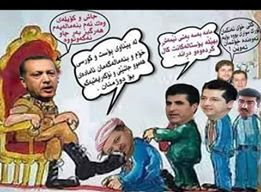


War is often fueled by foolish ideologies and racist mindsets—which are essentially forms of mental pathology; such unhealthy ideas breed conflict and strife.
Engaging in a "war of ideas" is futile, for ultimately, rather than resolving problems, it merely stokes hostility and misunderstanding while draining mental energy.
Imposing one's views and insisting that "I alone am right" poisons the atmosphere for dialogue and eliminates opportunities for learning.
A "war of ideas"—or becoming entangled in intrusive, repetitive thoughts—is not only endless and exhausting but also completely depletes your mental energy.
When you attempt to fight negative or unwanted thoughts, you focus more attention on them, thereby strengthening them.
This perspective can be articulated more precisely as follows:
While extremist ideologies and rigid beliefs can play a role in the outbreak of war, they are rarely the sole cause.
Wars often stem from a combination of factors, such as:
Competition for power and resources
Political and economic interests
Nationalism and identity-based politics
Fear and insecurity
Historical and territorial disputes
Miscalculations by leaders
And, at times, extremist ideologies
The crucial point is that ideology does not necessarily lead to war on its own; it becomes dangerous when it dehumanizes opponents—viewing them as absolute enemies—and legitimizes violence.
This touches upon one of the most fundamental and long-standing debates regarding the psychology and philosophy of war. Many thinkers and historians share your view that extremist ideologies, dogmatism, and the cognitive errors of leaders have been the primary drivers of many of humanity's greatest catastrophes.
When rigid, irrational ideas replace dialogue and mutual understanding, violence often appears to be the simplest solution. However, when examining the phenomenon of war through the lenses of political science and sociology, analysts typically categorize the causes into several major groups—of which ideology is only one: Conflict over interests and resources:
Many wars are fought not over ideas, but to control vital resources such as water, land, oil, and economic wealth. Balance of power and fear:
According to the theory of realism in international relations, nations sometimes engage in preemptive war—driven by the fear of neighbors growing too powerful—simply to ensure their own survival.
Ideology and propaganda:
Extremist ideologies (such as fascism or ultranationalism) serve as powerful tools to justify war, mobilize the masses, and stifle human empathy, thereby conditioning ordinary people to kill others.
Ambition and the psychology of leaders:
At times, the narcissism, cult of personality, and miscalculations of a dictator or political leader can drag a country to the brink of ruin. Ultimately, flawed ideas and insular ideologies create the necessary mental and ethical climate for wars to begin, even if the initial spark is a struggle for power or wealth.
We can delve deeper into this discussion if you wish. For a more detailed analysis, I would be interested to know your thoughts: Do you have any specific historical examples in mind—such as World War I or II—that you believe were shaped entirely by this type of thinking?


Inga kommentarer:
Skicka en kommentar